Tooth Bunny Font: Elegant Script for Editorial Design
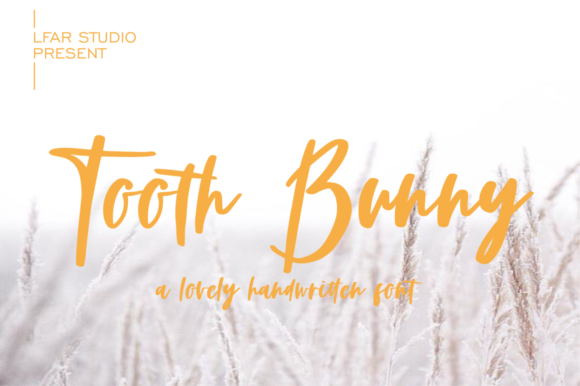
When redesigning the header for a lifestyle blog, I found myself searching for a font that could capture both grace and personality. Tooth Bunny, a brushed script font, quickly became my go-to choice. Its soft curves and flowing lines add a touch of warmth and sophistication, making it ideal for editorial projects that require a personal, handwritten feel.
As a designer who often works on digital magazines and printable guides, I appreciate how Tooth Bunny balances aesthetic appeal with practicality. It’s not just a pretty font—it’s a tool that can elevate the visual identity of any project, from a recipe ebook to a wedding guide.
Tooth Bunny for Wedding Invitations and Elegant Branding
Tooth Bunny shines when used in wedding invitations, where its elegant strokes and subtle variations create a sense of refinement. Whether paired with a serif body font or used alone as a headline, it adds a personal, handcrafted touch that feels authentic and timeless.
In branding, this script handwritten font helps establish a cohesive look across business cards, logos, and promotional materials. Its PUA encoding ensures that all characters are accessible without requiring special software, which is a big plus for designers working on commercial projects.
For a wedding planner, using Tooth Bunny on a cover page or section headings gives a sense of celebration and intimacy. It’s perfect for creating a visual language that resonates with couples looking for a unique, personalized design.
Tooth Bunny in Digital Magazines and Ebook Covers
When designing an ebook cover, the right font can make all the difference. Tooth Bunny offers a refined yet approachable style that works well for lifestyle, self-help, or creative nonfiction titles. Its brush-like texture brings a tactile quality to digital pages, enhancing the reader’s experience.
For digital magazines, this font can be used in article titles, pull quotes, or section headers. Its readability on screens makes it suitable for both mobile and desktop layouts. Pairing it with a clean sans serif font for body text creates a balanced and professional look.
Whether you're publishing a cooking guide or a wellness journal, Tooth Bunny helps define the tone and mood of your content. It’s a versatile choice that adapts well to different editorial styles and audiences.
Tooth Bunny for Newsletter Headers and Printable Guides
Newsletters often rely on strong, visually appealing headers to grab attention. Tooth Bunny’s fluidity and elegance make it a great option for newsletter graphics and email subject lines. It adds a human touch that can make your brand feel more relatable and engaging.
Printable planners and worksheets also benefit from this font. Using it for section titles or decorative accents gives a polished, handmade feel that appeals to users looking for a creative and organized layout.
Its versatility extends to coaching workbooks and course PDFs, where it can be used to highlight key concepts or introduce new sections. The font’s rhythm and flow help guide the reader through the content in a natural and inviting way.
Tooth Bunny in Social Media Graphics and Web Design
Social media graphics often need a font that stands out while maintaining readability. Tooth Bunny fits this need perfectly, offering a stylish yet legible option for captions, banners, and promotional posts. It’s especially effective when used in combination with bold or minimalist designs.
In web design, this script handwritten font can be used for hero sections, call-to-action buttons, or decorative elements. Its brushed appearance adds a layer of sophistication that complements modern, clean layouts.
For designers working on client projects, Tooth Bunny provides a reliable option for adding a custom, premium feel to websites, landing pages, or marketing collateral. Its PUA encoding ensures compatibility across different platforms and devices.
Tooth Bunny for Business Cards and Logo Design
Business cards are a small but powerful representation of a brand. Tooth Bunny brings a unique, artistic flair that can set a business apart from the competition. Whether used for a logo, tagline, or contact information, it adds a personal and memorable touch.
Logos that incorporate this font often feel more approachable and creative. It’s an excellent choice for boutique studios, independent creators, or brands that want to convey a sense of craftsmanship and care.
For designers, the font’s flexibility allows for creative experimentation. Using it in combination with geometric shapes or minimalistic elements can result in a striking and professional logo that stands out in a crowded market.
Tooth Bunny in Coaching Workbooks and Course Materials
Coaching workbooks and course materials often require a font that feels encouraging and supportive. Tooth Bunny’s soft, flowing lines create a welcoming atmosphere that aligns with the goals of personal development and growth.
Using this font in chapter openers, lesson titles, or motivational quotes helps maintain a consistent and uplifting tone throughout the content. It’s a great way to reinforce the message and create a more immersive reading experience.
When paired with a readable serif or sans serif font for body text, Tooth Bunny enhances the visual hierarchy without overwhelming the reader. This balance is essential for maintaining clarity and engagement in long-form content.
Tooth Bunny for Wall Decor and Greeting Cards
Wall decor and greeting cards are some of the most expressive uses of typography. Tooth Bunny’s elegant strokes and natural flow make it ideal for creating eye-catching designs that resonate emotionally with viewers.
Whether used in a framed quote, a birthday card, or a seasonal decoration, this font adds a personal and artistic touch. Its versatility allows it to adapt to different themes and occasions, making it a valuable asset for designers and creatives.
For those selling printables or digital art, Tooth Bunny offers a unique and high-quality option that can enhance the appeal of their products. Its PUA encoding ensures that all characters are available for use, making it easy to implement in various formats.
Tooth Bunny in Editorial Layouts and Content Branding
Editorial layouts often rely on typography to define the tone and structure of the content. Tooth Bunny provides a flexible and expressive option that can be used in headlines, subheadings, and decorative elements.
Its ability to blend with other fonts makes it a valuable addition to any designer’s toolkit. Pairing it with a classic serif font for body text or a modern sans serif for captions creates a balanced and professional look.
For content branding, this font helps establish a distinct identity that reflects the values and style of the publication. It’s a great way to differentiate your work in a competitive digital landscape.